

Water Quality Best Practices Every Homeowner Should Know
You rely on the taps in your home more than almost any other appliance. Whether you fill a glass for a drink, start a load of laundry, or run a hot bath, you expect that water to be clean and safe. But water quality changes over time, and your plumbing system needs attention to keep everything running safely. Ignoring these systems leads to scale buildup, weird tastes, and potential health risks.
We want to help you stay ahead of these issues. Following these water quality best practices every homeowner should know can protect your pipes and keep your family healthy. These habits are simple to adopt, and they make a massive difference to your home's plumbing and your family's well-being in the long run. Let’s look at exactly what you need to do to maintain great water quality in your home.
Get Your Water Tested Annually
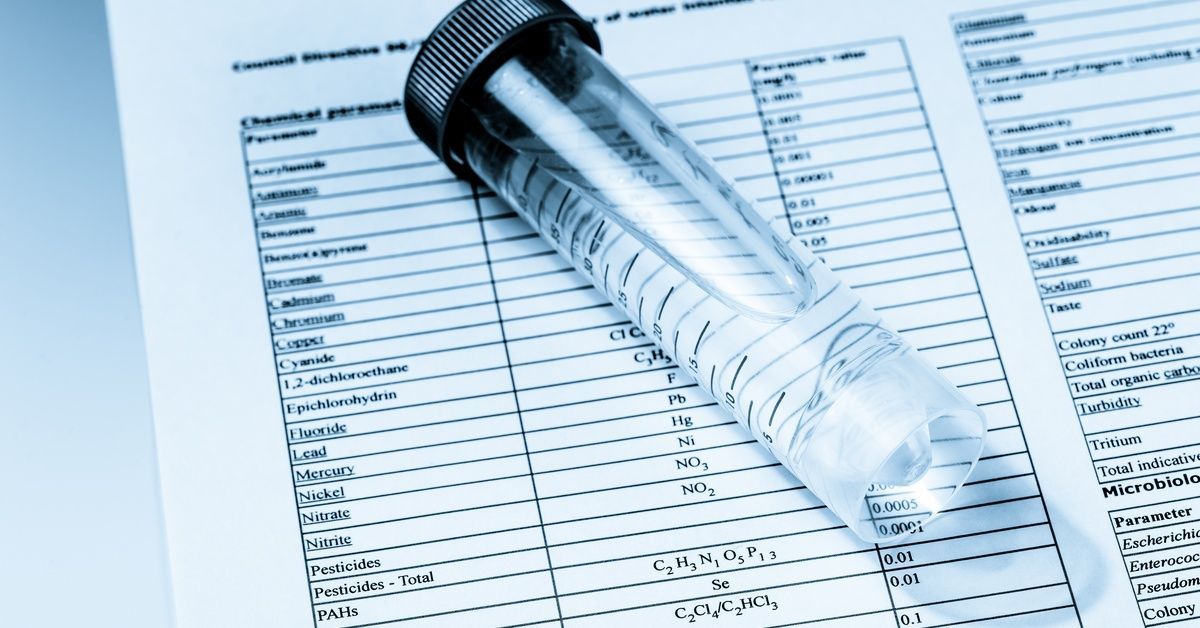
The first step to managing your water quality is knowing what's actually in it. A water test is like a checkup for your water supply. It gives you a detailed report on minerals, contaminants, and other substances that might be present. You can't see most of these things, so a test is the only way to know for sure.
- For well water: If you have a private well, you're solely responsible for its safety. It's important to test your well water every year for bacteria, nitrates, and other potential contaminants.
- For city water: Even if you're on a municipal supply, testing is a good idea. While cities treat their water, it can still pick up contaminants from old pipes on its way to your home.
Testing helps you identify specific issues, like high levels of iron that stain your sinks or hardness that leaves buildup on your fixtures. Once you have the results, you can select the right water treatment system to address those problems effectively.
Understand Your Water Source
Do you know where your water comes from? The answer changes what you need to look out for. Most homeowners get their water from either a private well on their property or a public municipal supply.
If you're on a public system, your water provider is required to test the water and provide you with a Consumer Confidence Report (CCR) each year. This report details the water source, the treatment processes, and what contaminants were found during testing. It's a useful document that can give you a baseline understanding of your water quality. You can usually find it on your water utility's website.
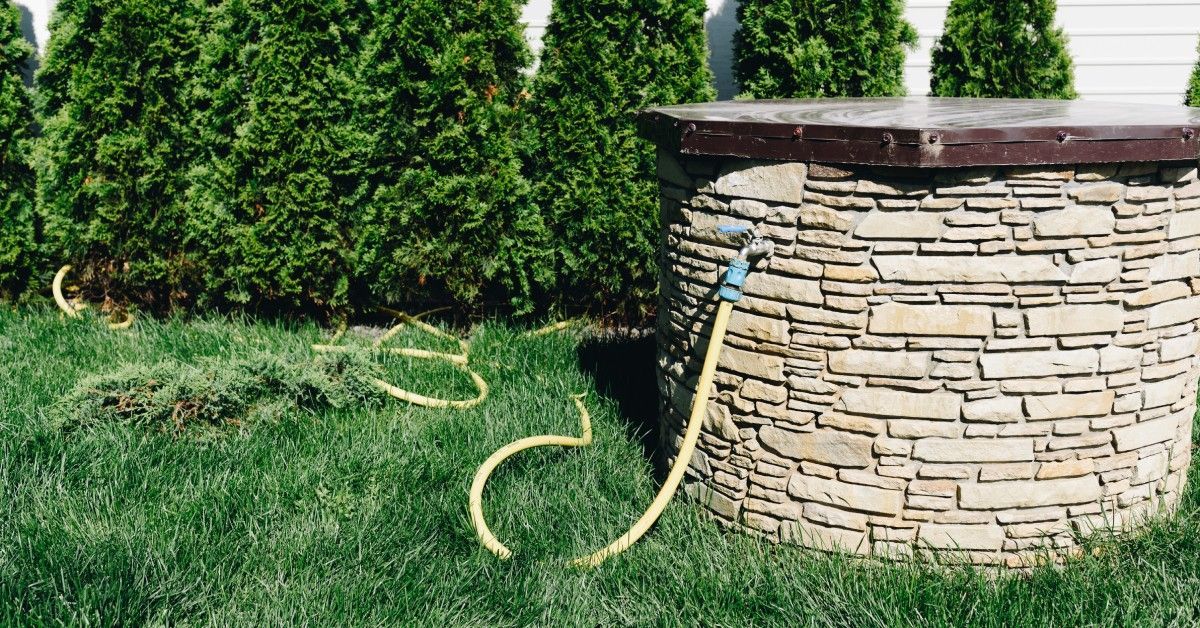
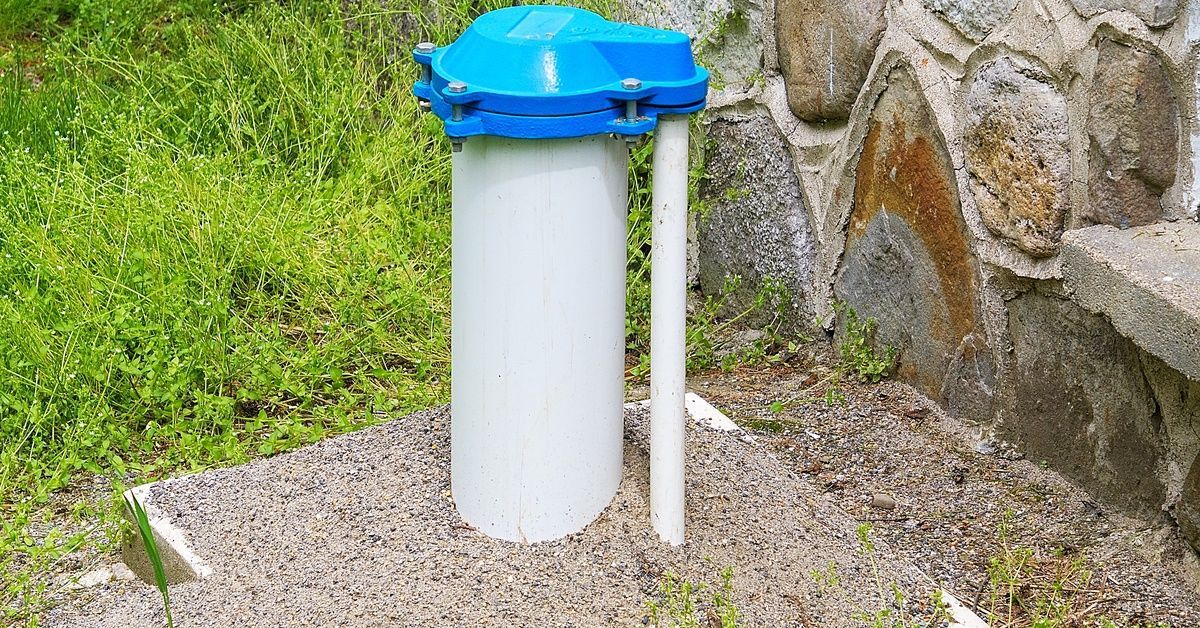
If you have a private well, you're the one in charge of your water's safety. Your water comes directly from an underground aquifer. Its quality can be affected by local groundwater conditions, agricultural runoff, or septic systems nearby. This is why regular testing is so important for well owners.
Change Your Filters Regularly
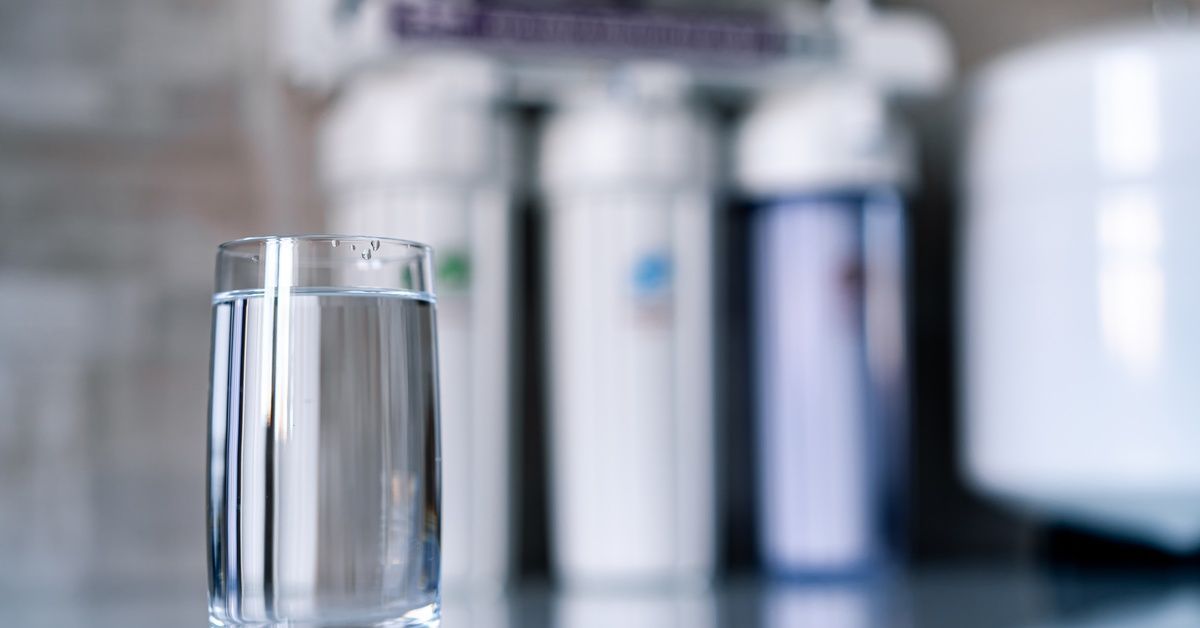
Many homes have some sort of water filter, whether it's in the refrigerator, on a pitcher, or attached to a faucet. These filters remove chlorine, lead, and other impurities that affect taste and odor. But they only work if you maintain them properly.
Over time, filters get clogged with the very contaminants they're designed to remove. A full filter can't do its job, and in some cases, it can even release those trapped particles back into your water.
Here are tips for keeping up with filter replacement:
- Check the manufacturer's recommendations: Each filter has a different lifespan. Some need to be changed every two months, while others might last for six.
- Set a reminder: It's easy to forget. Put a note on your calendar or set a recurring alarm on your phone so you don't miss a filter change.
This simple habit is one of the easiest ways to maintain better-tasting and cleaner water in your kitchen.
Check Your Water Heater
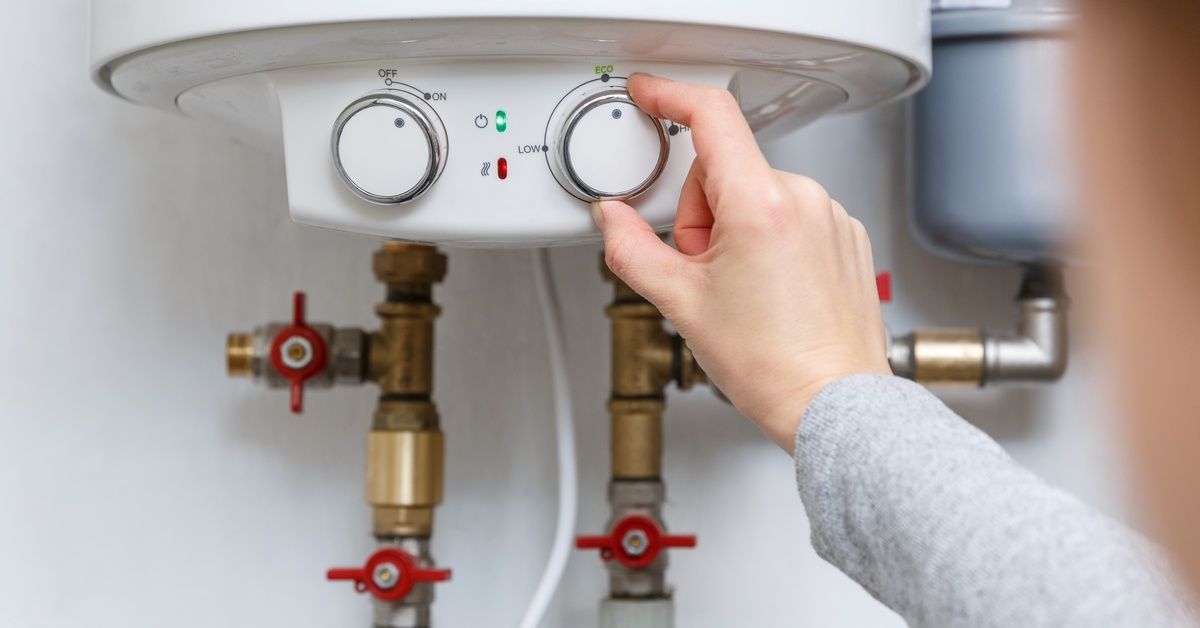
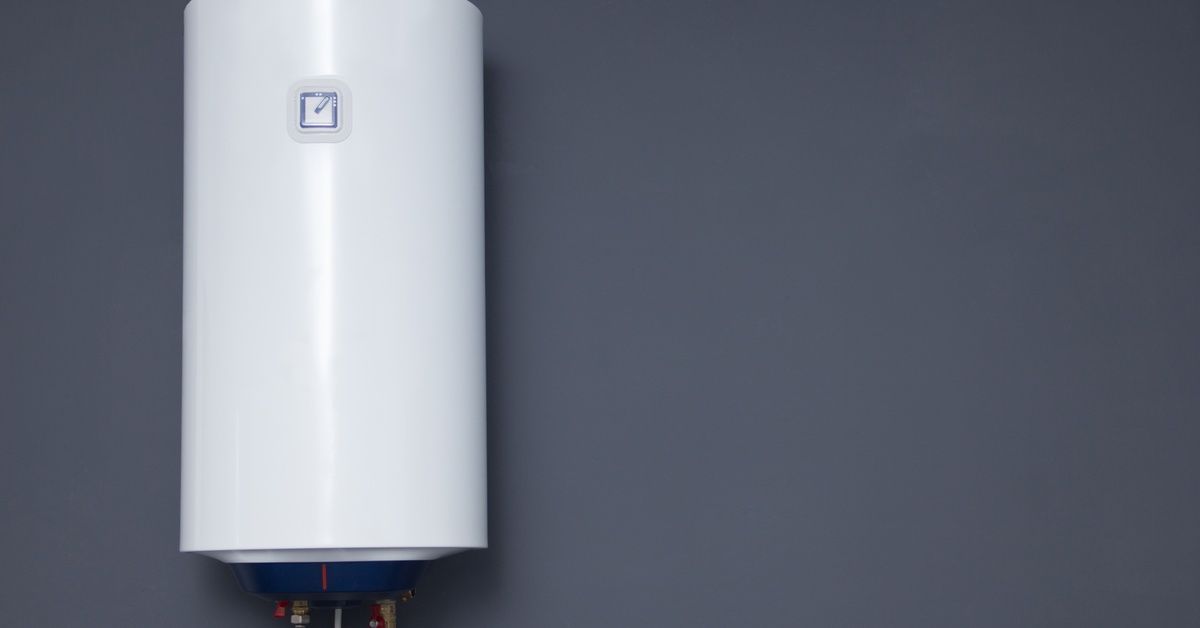
Your water heater is another spot where water quality issues can pop up. Over time, sediment like sand, rust, and calcium carbonate can settle at the bottom of the tank. This buildup can create problems for both your water heater and your water quality.
Flushing your water heater once a year helps remove this sediment. It also prevents those settled minerals from getting stirred up and flowing through your pipes into your showers and sinks. The process is pretty straightforward, but you can always call a plumber if you're not comfortable doing it yourself.
Watch for Signs of Plumbing Problems
Your home's plumbing system is the delivery network for your water. The condition of your pipes affects the quality of the water that reaches your faucets. Older homes, in particular, may have pipes made from materials that can contaminate the water.
Keep an eye out for these warning signs:
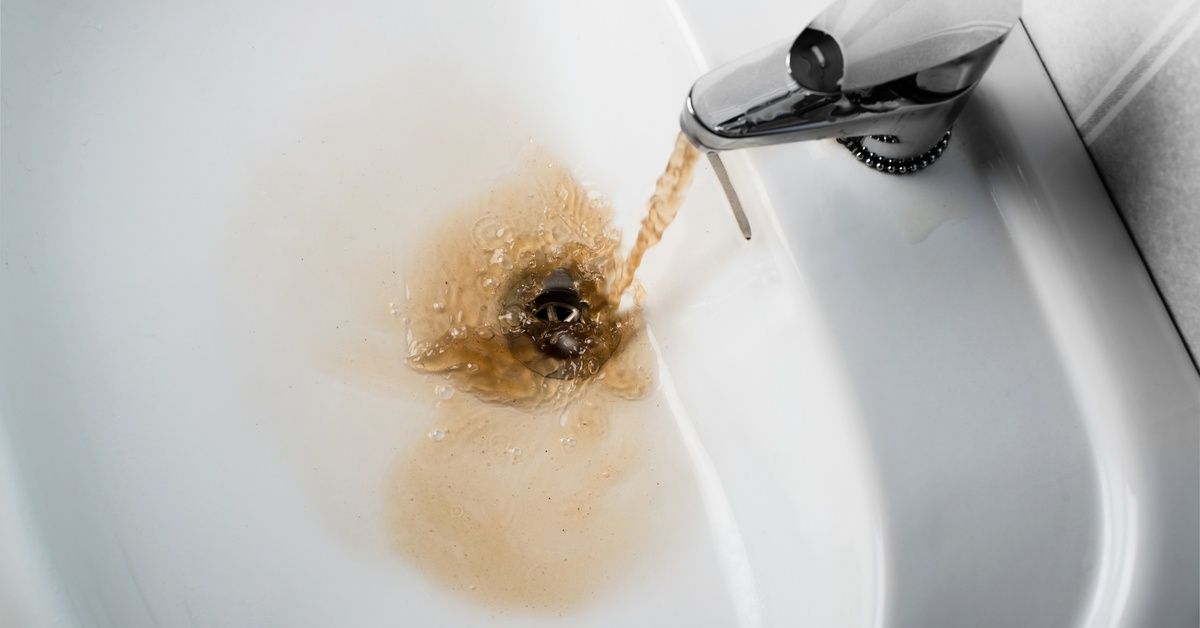
- Discolored water: Water that looks brown or rusty can indicate corroding iron pipes.
- Low water pressure: A sudden drop in pressure could mean there's a blockage or buildup somewhere in your plumbing.
- Strange taste or smell: A metallic taste is often linked to high concentrations of iron or other metals leaching from pipes.
If you notice any of these issues, have a plumber inspect your system. Addressing plumbing problems promptly can prevent bigger issues down the road.
Consider a Whole-Home Water Treatment Solution
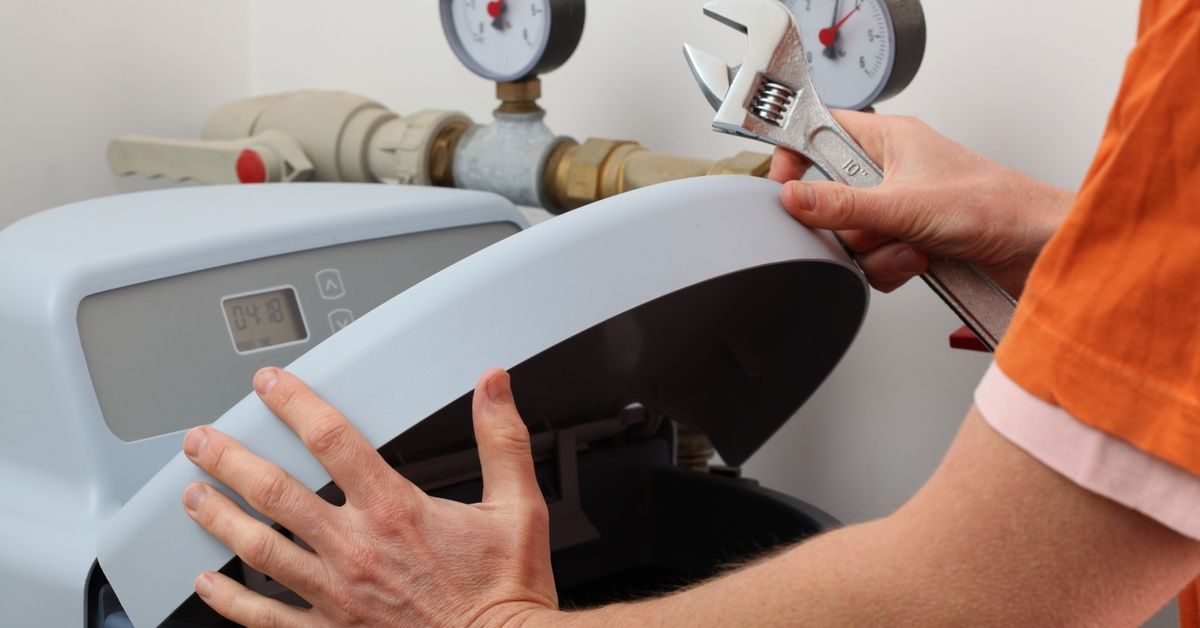
For a more comprehensive approach, you might look into a whole-home water treatment system. Instead of filtering water at just one tap, these systems treat all the water that enters your house. This means you get cleaner, better-quality water from every faucet, including your showers and laundry machine.
There are different types of systems depending on your needs:
- Water Softeners: These are perfect for homes with hard water. They remove minerals like calcium and magnesium that cause scale buildup.
- Iron Filters: If your water tests show high levels of iron, an iron filter will prevent rust stains on your fixtures and appliances.
- Reverse Osmosis Systems: These provide a high level of filtration, removing a wide range of contaminants for exceptionally pure drinking water.
A whole-home system tackles the problem at the source and provides consistent quality throughout your entire house.
Your Path to Better Water
You don't have to be a water expert to make sure your family has clean, safe water. Following these water quality best practices every homeowner should know can help you identify potential issues and take control of what's coming out of your tap.
If you've been looking for where to get water treatment systems near you, you're in the right place. Here at Affordable Water, we sell and rent out iron filters, water softeners, and more to help you keep your bathing, cooking, and drinking water pristine. Reach out today and let us help you find the right solution for your home.


Share On: