

How To Choose the Right Water Treatment System for Your Home
Lately, you've been worried that your home's water quality isn't as pure as you want it to be. Maybe you saw a news report about local contaminants or noticed your tap water tasting a bit off. Regardless of the reason, you're on the search for a water treatment system that can purify your supply and give you the clean, clear aqua you crave.
But you're currently overwhelmed because you never realized there were so many different types out there. This guide looks at some of the most common systems to help you choose the right water treatment system for your home.
Signs You Need a Water Treatment System
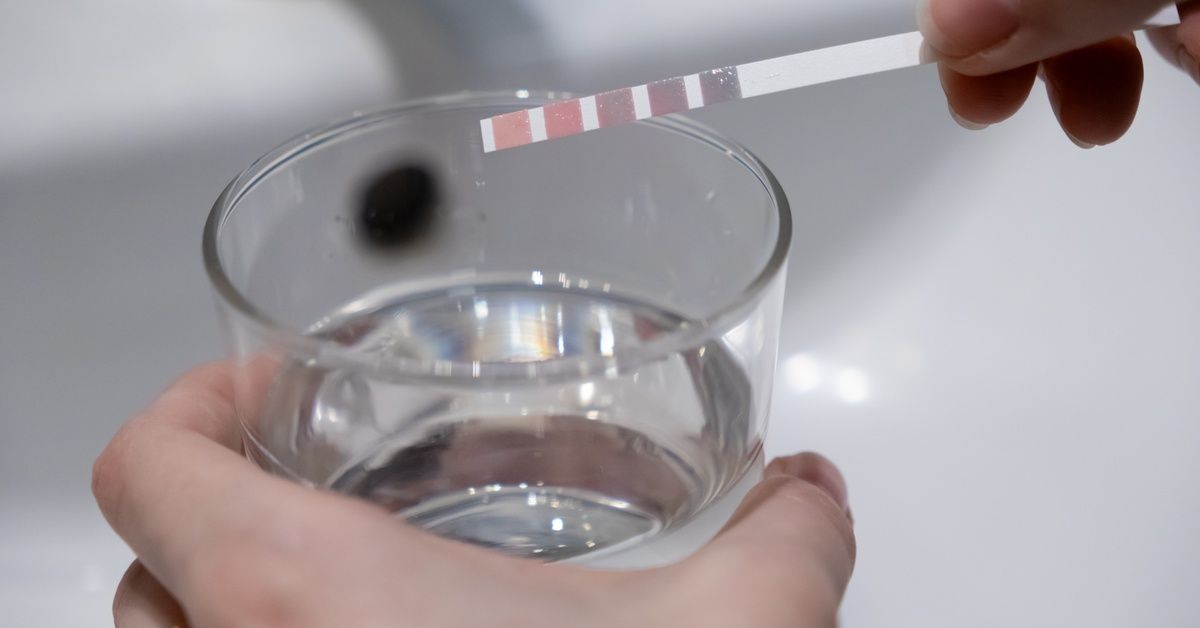
You've been worried about the quality of your water, but is it really a concern? While some water quality issues are invisible, others leave obvious clues. Here are some tell-tale signs that your home could benefit from a water treatment system.
- Unpleasant taste or odor: Does your water have a metallic, chemical, or "rotten egg" smell? These could signal the presence of minerals like iron, chemicals like chlorine, or hydrogen sulfide gas. A proper system can remove these elements and improve taste.
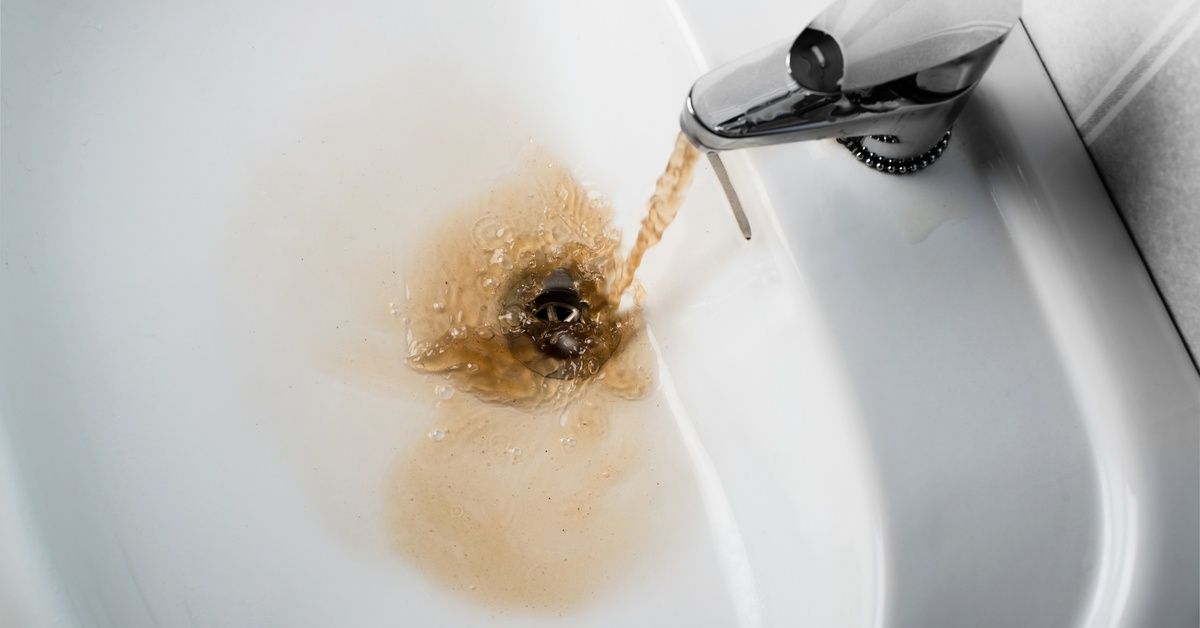
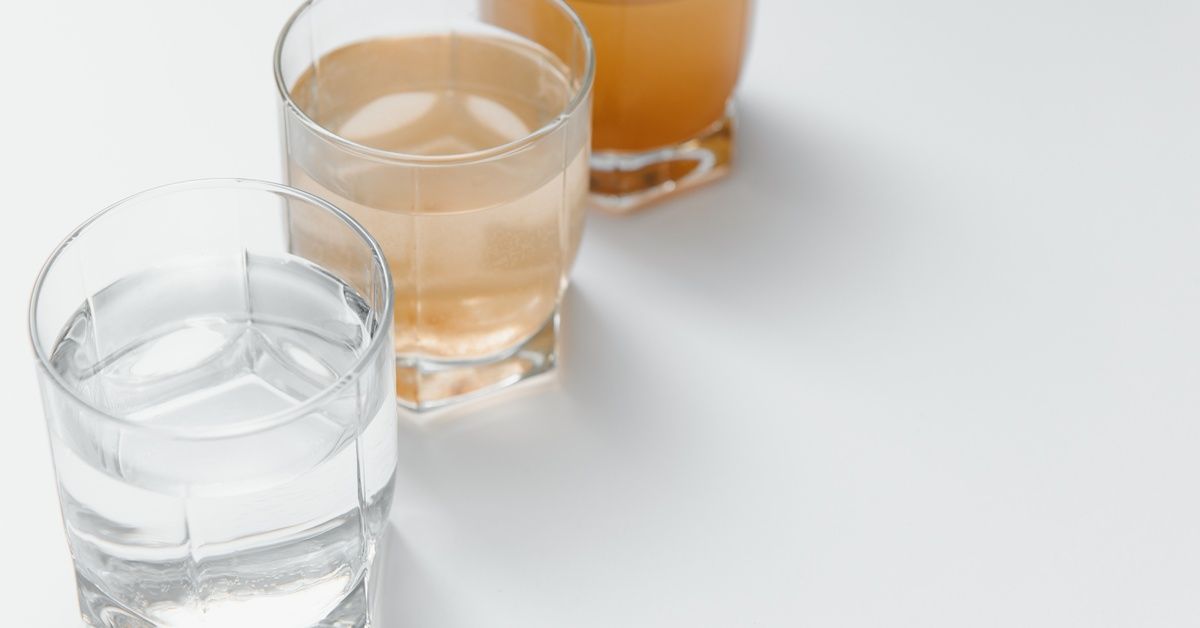
- Cloudy or discolored water: Water should always be clear. If you notice a cloudy appearance or a yellow, brown, or reddish tint, it could indicate excess sediment, clay, or rust particles from old pipes.
- Stains on fixtures and laundry: Do you see blue-green stains on your sinks and faucets? That's often a sign of high acidity, which can corrode copper pipes. Red or brown stains point to high iron levels, while black stains can come from manganese.
- Soap scum and scale buildup: If your soap doesn't lather well and you see a chalky white residue on your dishes, showerheads, and coffee maker, you likely have hard water. This buildup, called scale, is caused by high levels of calcium and magnesium and can damage your appliances over time.
- Frequent plumbing repairs: Are your pipes constantly clogging or corroding? Poor water quality, particularly hard water and high acidity, can cause serious damage to your plumbing system, which leads to costly repairs.
Types of Water Treatment Systems
If you've been experiencing any of the water issues above, you could benefit from a water treatment system to improve your water quality. But what system should you get? Here are a few types to consider.
Water Softeners
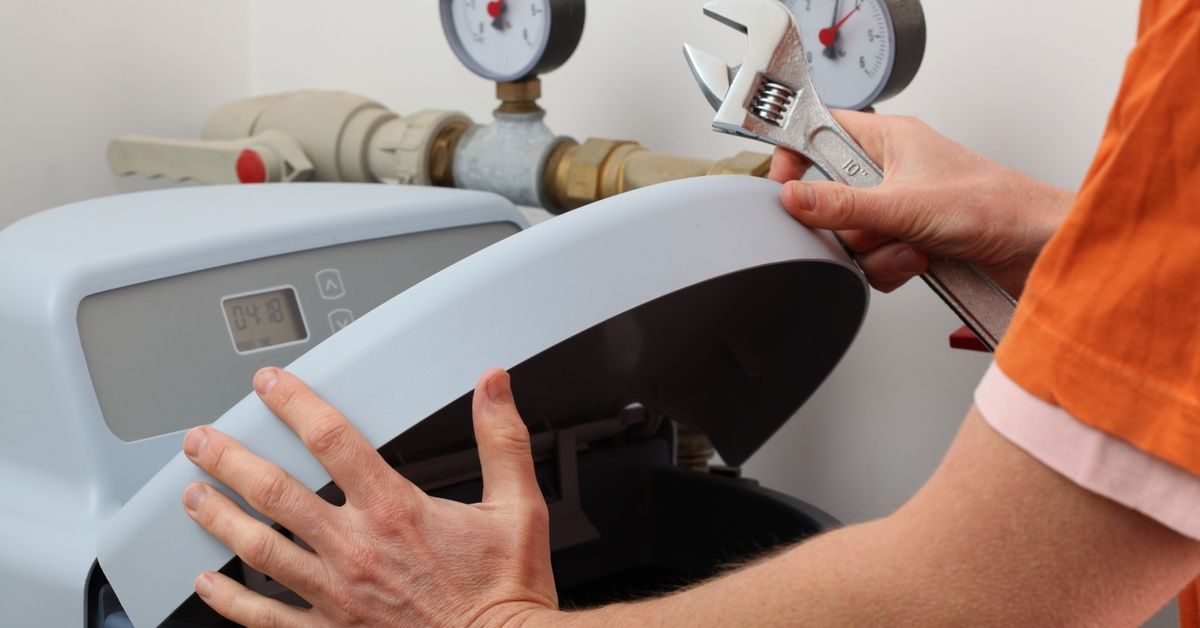
You'll want a water softener if you're dealing with hard water, which is water with a high concentration of dissolved minerals like calcium and magnesium. Hard water can lead to mineral buildup in your pipes and appliances over time.
Water softeners use a process called ion exchange to remove dissolved minerals. By replacing these minerals with sodium ions, water softeners "soften" the water. This results in cleaner dishes, brighter laundry, and longer-lasting appliances. You'll also notice your hair and skin feel softer after a shower.
Water Filters
Water filters are a broad category of systems that remove various contaminants. They work by passing water through a filter medium that traps impurities. Some common types of water filters include:
- Carbon filters: These are effective at removing chlorine, pesticides, and volatile organic compounds (VOCs). They improve the taste and smell of your water. They come in various forms, from pitcher filters to whole-house systems.
- Reverse osmosis (RO) systems: RO systems provide a high level of filtration. They use a semipermeable membrane to remove a wide range of contaminants, including heavy metals like lead, arsenic, fluoride, and salts. They're typically installed under the sink to provide purified water for drinking and cooking.
- Sediment filters: These filters target physical particles like sand, dirt, and rust. They're often used as a pre-filter in a more comprehensive system to protect other components from getting clogged.
UV Purification Systems
UV purification systems use ultraviolet light to disinfect water. As water passes through the system, the UV lamp emits light that destroys the DNA of bacteria, viruses, and other microorganisms. This process prevents them from reproducing and causing illness. UV systems don't remove chemicals or sediment, so they're often paired with other filtration methods for comprehensive treatment.
Water Distillers
Water distillers purify water by boiling it and collecting the steam. When the water turns to steam, it leaves behind contaminants like heavy metals, minerals, and bacteria. The steam then cools and condenses back into liquid form, which results in highly purified water. Distillation is a slow process, but it's very effective at removing a broad spectrum of impurities.
Questions To Ask When Deciding on One

With a better picture of your options, it's time to narrow down your choices. Ask yourself these questions to find a system that aligns with your household's needs.
- What contaminants do I need to remove? The first step is to know what's in your water. You can get a professional water test or use a DIY kit. The results will tell you exactly which contaminants are present and at what levels, which helps you select a system designed to target those specific issues.
- Do I need whole-house or point-of-use treatment? A whole-house system, or point-of-entry system, treats all the water that enters your home. This is a solid option if you have issues like hard water that affect your plumbing and appliances. A point-of-use system treats water at a single tap, like your kitchen sink, and is a quick, simple fix for improving the taste and quality of your drinking water.
- What is my budget? Costs can range from under a hundred dollars for a simple pitcher filter to several thousand for a whole-house system. Consider both the initial purchase price and long-term maintenance costs, like filter replacements or salt for a water softener.
- What are the maintenance requirements? All water treatment systems require some maintenance. Some need regular filter changes, while others require adding salt or cleaning. Review the maintenance schedule for any system you're considering and pick one you can realistically manage.
Find a System That Works for You
There are many different types of water treatment systems. The right one for your home depends on factors like the issues you're experiencing, your budget, and your maintenance preferences. Use this new information to narrow down your options; from there, you can research and compare different brands, models, and features until you find one you're confident in.
At Affordable Water, we sell, as our name implies, affordable and, more importantly, effective water treatment systems near you. If you're experiencing issues like hard water stains and are seeking a solution, reach out to us. We can inspect your water supply, provide suggestions on what type of system to get, and even install it for you.

Share On: