

The Unique Water Softening Needs of Well Water Homes
Does your home run on well water? If so, you may want to invest in a water softener if you don't have one already. One of the main differences between private well water and municipal water is that municipal water goes through a treatment process before it reaches your home. Well water doesn't. This means it's more likely to contain minerals and contaminants that contribute to harder, grittier aqua. Let's look at the unique water softening needs of homes with wells and how a softener can improve the quality of the water in your household.
Excessive Mineral Content Creates Crusty Buildup
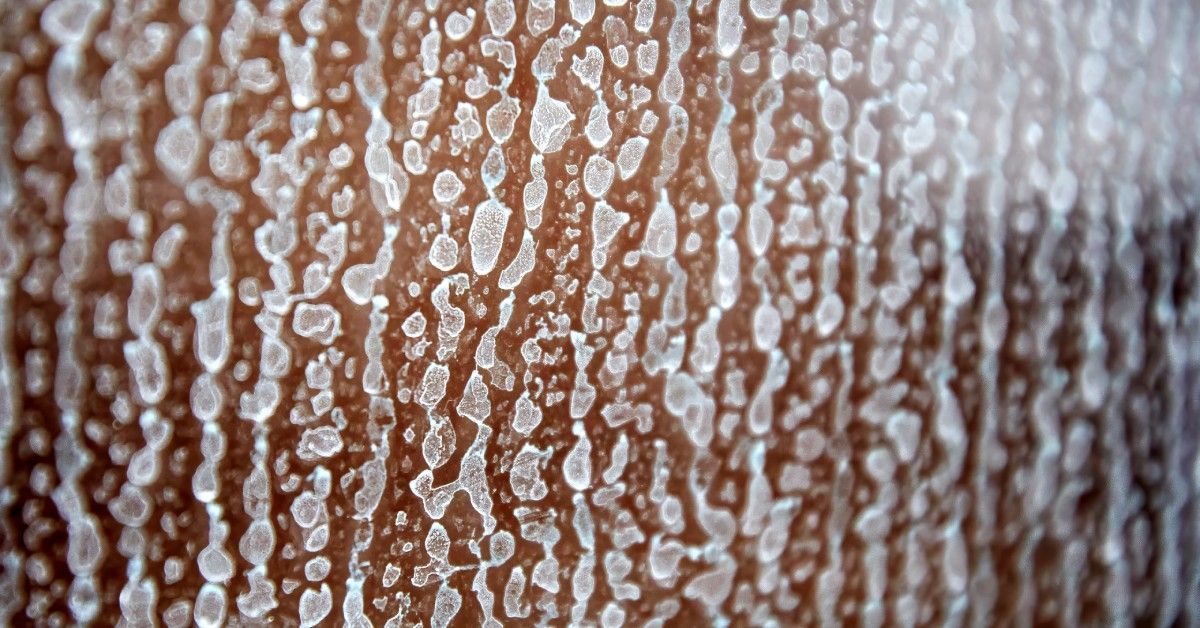
A common complaint about well water is the crusty, white scale that materializes on faucets, showerheads, and dishes. This residue is a telltale sign of hard water. Hard water is caused by high concentrations of dissolved minerals, primarily calcium and magnesium. When the water evaporates, these minerals get left behind as limescale.
Over time, this buildup can damage appliances, clog pipes, and reduce water efficiency. A water softener removes these minerals directly from the source. The result is longer-lasting appliances, cleaner pipes, and more efficient water use throughout your home.
Iron Causes Stubborn Red Stains
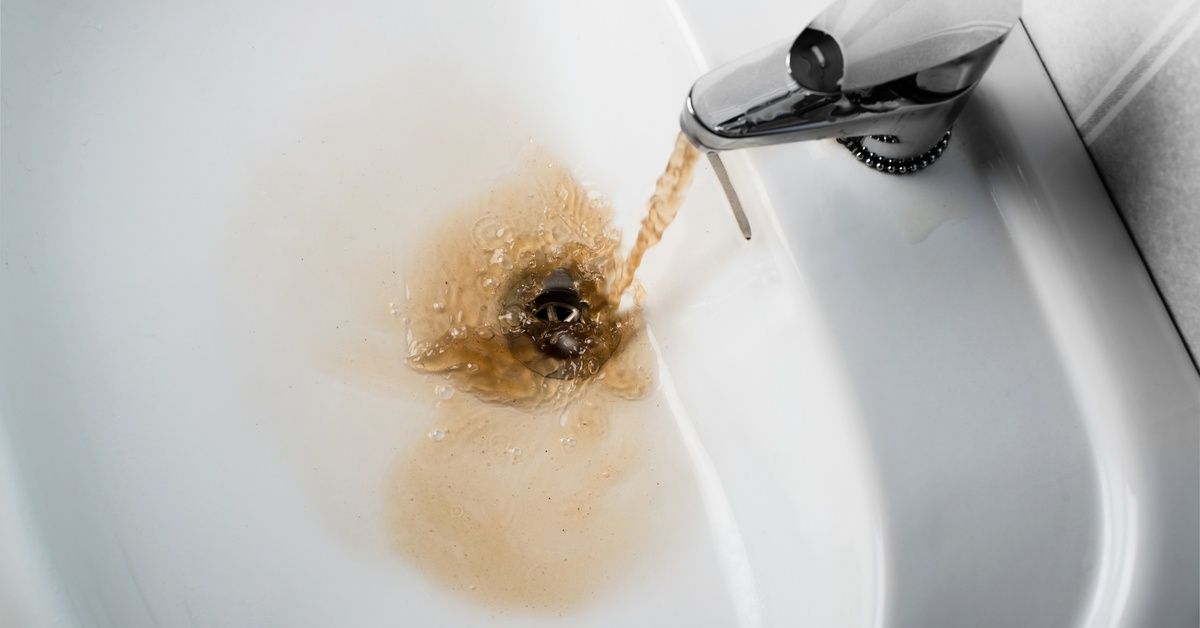
Have you noticed reddish-brown stains in your sinks, bathtubs, or toilets? Iron is usually the culprit. Well water frequently absorbs iron from the surrounding soil and rock, which then oxidizes upon contact with air. This process creates rust particles that settle on surfaces and stain them.
These iron stains are notoriously difficult to remove with standard household cleaners. A water softener designed for well water can filter out the iron before it ever reaches your taps. This system prevents the unsightly stains and keeps your bathroom and kitchen fixtures looking pristine.
Manganese Leaves Black Slime Behind
Another common issue in well water is the presence of manganese. This mineral leaves behind black or brownish slime that can coat the inside of your pipes and toilet tank. Manganese can also give your water an unpleasant metallic taste and a dark, cloudy appearance.
Like iron, manganese stains are stubborn and can permanently discolor fixtures and even your laundry. A specialized water softener can effectively remove manganese. The system leaves you with clearer water that won't ruin your home's surfaces or your favorite white shirt.
Hydrogen Sulfide Smells Like Rotten Eggs
One of the most off-putting characteristics of some well water is a smell which resembles rotten eggs. This odor comes from hydrogen sulfide gas, a substance that forms from the decay of organic matter underground. Even at low concentrations, this gas creates a very noticeable and unpleasant aroma throughout your home.
The smell can make everyday activities like showering or washing dishes a dreadful experience. A proper well water treatment system includes features that eliminate hydrogen sulfide. Your home will be free of the rotten-egg smell for good.
Low pH Corrodes Copper Piping
Well water, particularly in certain geographic areas, can have a low pH, which means it's acidic. Acidic water is corrosive, and it can eat away at metal plumbing, especially copper pipes. Over time, this corrosion thins the pipe walls, which leads to leaks and expensive repairs.
Corroded pipes also release copper particles into your water, which create blue-green stains on fixtures and can affect your water's taste. A water softener can neutralize the water's pH. This protects your plumbing infrastructure from costly damage.
Sediment Wears Down Appliances
Unlike treated municipal water, well water can contain sand, silt, and other small particles. This sediment may not be visible to the naked eye, but its abrasive nature can wear down your home's appliances. Dishwashers, washing machines, and water heaters are all at risk.
The particles can clog small valves and damage pumps, which shortens the lifespan of these appliances. A water softener system with a sediment pre-filter catches these particles before they can cause any harm. Your appliances will run more smoothly and last longer.
Bacteria Contamination Is a Risk

Private wells aren’r subject to the same rigorous testing and treatment as public water supplies. This means there's a chance that harmful bacteria, such as E. coli and coliform, could contaminate the water. These microorganisms can pose serious health risks to you and your family.
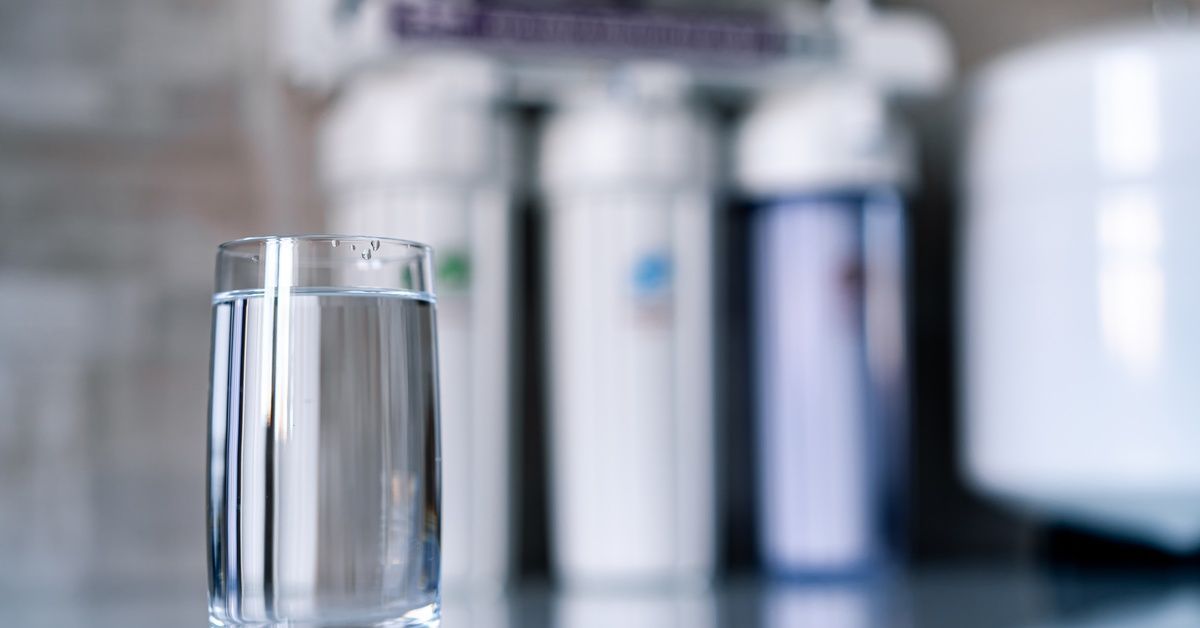
A comprehensive well water treatment system can include a UV purification stage. This component uses ultraviolet light to neutralize bacteria and other pathogens. You can have peace of mind that your water is safe to drink and use.
Hardness Reduces Water Heater Efficiency
The mineral buildup from hard water can also affect your water heater's performance. Scale can accumulate inside the tank and on the heating elements. This forces the unit to work harder to heat the water.
This reduced efficiency leads to higher energy bills and a shorter lifespan for your water heater. By preventing scale formation, softened water helps your water heater operate at peak efficiency. This will save you money on utilities.
Soap Scum Is Impossible To Clean
Hard water minerals react with soap to form a sticky, insoluble residue called soap scum. This film builds up on your shower doors, tiles, and bathtubs, and is hard to scrub away. No matter how much you clean, the scum seems to return almost immediately.
Soft water allows soap to lather properly and rinse away cleanly. With a water softener, you'll spend less time cleaning soap scum. Your bathroom will stay cleaner for longer.
Dry Skin and Hair Feel Uncomfortable
The minerals in hard water can take a toll on your body, too. They strip your skin and hair of their natural oils, which leaves them feeling dry, itchy, and brittle. You might notice that your lotion doesn't seem to work as well, and your hair looks dull and lifeless.
Soft water is much gentler on your skin and hair. After you install a water softener, you'll find that your skin feels smoother and your hair is softer and more manageable.
Solve Your Well Water Woes
Well water homes have unique water softening needs. They're more prone to stubbornly hard water and other issues related to groundwater composition. If you own a home with a private well, a softener can remove unwanted minerals to make it taste better, clean deeper, and feel softer.
At Affordable Water, we sell well water softener systems that use an ion exchange process to eliminate minerals and dissolved solids that contribute to hardness. With our high-quality, budget-friendly systems, you and your family can enjoy safer and more refreshing water day to day.


Share On: