

Tankless vs. Tank Water Heaters: Which Is Best for You?
You need a new water heater for your home so you can get the hot water you need for tasks like washing dishes, doing laundry, and taking showers. You thought the purchasing process would be straightforward, but then you learned there are two different types of water heaters to choose from: tankless and tank. Of these options, which do you want for your property? Is one better than the other? Let's break down the differences between tankless and tank water heaters so you can buy with confidence.
Tankless Water Heaters
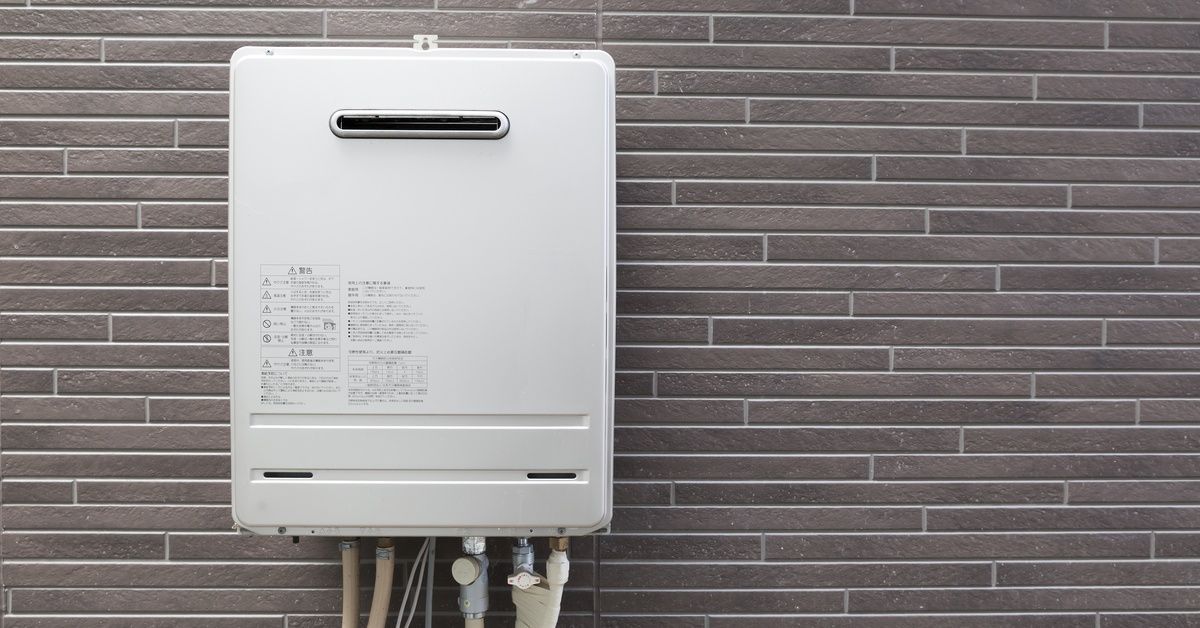
A tankless water heater, also called an on-demand water heater, heats water directly without the use of a storage tank. When you turn on a hot water tap, cold water travels through a pipe into the unit. An electric element or a gas burner heats the water as it passes through, so you get a constant supply of hot water. You're never limited to what's in a tank.
Pro: They're Energy-Efficient
Tankless water heaters are generally more energy-efficient than their tank counterparts. Because they only heat water when you need it, they don't experience the standby heat loss that happens with storage tank models. This means less wasted energy, which can lead to lower utility bills over the long run. For a busy household that uses a lot of hot water, the savings can add up.
Pro: They Have a Longer Lifespan
Another advantage of tankless water heaters is their longevity. These units can last up to 20 years or more, which is twice as long as traditional tank heaters. The extended lifespan comes from their durable components and the fact that they're less susceptible to rust and corrosion. With a longer-lasting appliance, you won’t have to worry about replacement costs for quite some time.
Con: They Have a Higher Upfront Cost
The main drawback of tankless water heaters is the initial investment. These units are more expensive to purchase and install compared to traditional tank models. The installation can be complex, sometimes requiring upgrades to your home's electrical system or gas lines. This higher upfront cost can be a barrier for some homeowners, even with the potential for long-term savings.
Con: They Can Have Inconsistent Temperatures
Sometimes, a tankless water heater might struggle to maintain a consistent temperature if multiple hot water taps are running at the same time. For example, if someone is showering while the dishwasher is running, you might notice a drop in water temperature. This limitation, often called "flow rate," means the heater can only produce a certain amount of hot water per minute, and if demand exceeds this rate, the water temperature may drop or multiple users may experience reduced performance.
Tank Water Heaters
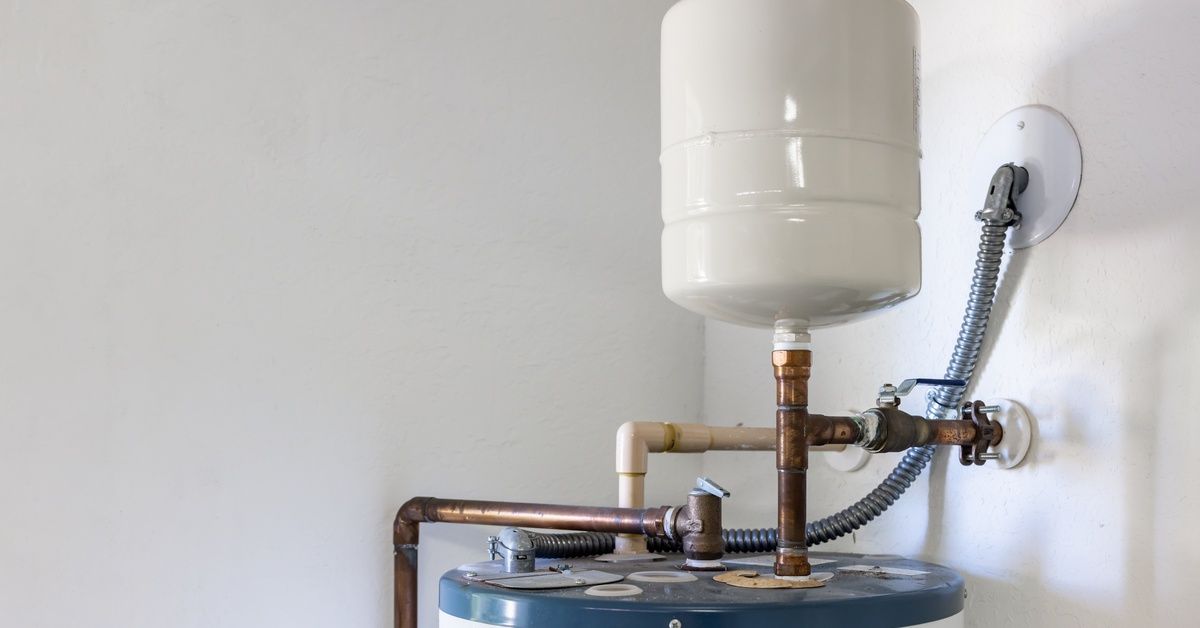
A tank water heater, or a storage water heater, is the more traditional option. It consists of an insulated tank that holds and heats a certain amount of water, usually between 20 to 80 gallons. When you use hot water, it’s drawn from the top of the tank, and cold water enters the bottom to be heated. The system works to keep the water in the tank constantly hot and ready for use.
Pro: They Have a Lower Initial Cost
One of the most appealing features of a tank water heater is its affordability. The purchase price and installation costs are typically much lower than for a tankless model. This makes it a more accessible option for homeowners on a tighter budget or for those who need a quick replacement without a large financial outlay.
Pro: They're Simple to Install and Maintain
Tank water heaters have a straightforward design, which makes them relatively easy to install and maintain. Most plumbers are very familiar with these units, so finding a professional for installation or repairs is seldom an issue. Their simple operation also means that troubleshooting problems is often less complicated than with more advanced systems.
Con: They Have Higher Energy Consumption
Because a tank water heater constantly works to keep a large volume of water hot, it uses more energy. This continuous heating process, known as standby heat loss, can lead to higher utility bills. Even when you're not using hot water, the unit is consuming energy to maintain the set temperature in the tank.
Con: They Have a Limited Hot Water Supply
With a tank water heater, your hot water supply is limited to the capacity of the tank. Once you've used up all the hot water, you have to wait for the tank to refill and heat a new batch. This can be an inconvenience for large families or during times of high demand, like when you have guests staying over.
Which is Right for You?
Deciding between a tankless and a tank water heater depends on several factors related to your household's needs and your personal preferences.
Consider Your Household Size
The number of people living in your home will affect your hot water needs. A large family that uses multiple hot water outlets at once might benefit from a tankless heater with a high flow rate. A smaller household might find that a traditional tank heater is perfectly adequate.
Evaluate Your Budget
Budget is another factor most households will need to consider. If you're on a tight budget and need something with low upfront costs, a tank water heater will generally have a more affordable price tag. But if you're willing to invest more initially, a tankless model can save you money in the long run since it's more energy-efficient.
Assess Your Space
Tank water heaters require a dedicated space for the large storage tank, usually in a utility closet, basement, or garage. Tankless units are much smaller and can be mounted on a wall, which frees up valuable floor space. If you have limited room, the compact size of a tankless heater could be a big advantage.
We're Here to Help
Tankless vs tank water heaters: which is best for you? Both have their pros and cons, so it comes down to personal factors like your family's size, your budget, and the space available in your home.
If you need help deciding, don't hesitate to contact Affordable Water. We sell and install water heaters—both tankless and tank—in homes, and have the years of expertise to provide you with an honest evaluation. If you'd like a second look at your current water heater before making a change, we also offer water heater repair services. Whatever you need, if it's water heater-related, you can count on our experienced team to provide reliable, professional service.



Share On: