

Navigating the Unique Drinking Water Needs in Florida
Florida is famous for its sunshine, beaches, and vibrant lifestyle. But for those who live there year-round, there’s another, less glamorous reality to deal with: the quality of the tap water. If you’ve ever poured a glass of water from the sink and noticed a distinct odor or a cloudy appearance, you’re not alone. The geology that makes “The Sunshine State” beautiful also creates a complex set of challenges for its water supply.
At Affordable Water Inc., we talk to homeowners every day who are frustrated by spotty dishes, dry skin, and water that just tastes "off." While municipal treatment plants do their job to make water safe from bacteria, "safe" doesn't always mean "pleasant" or "pure." Understanding the unique drinking water needs in Florida is the first step toward fixing low-quality tap, and the solution lies in treating the specific contaminants found in the local aquifer.
The Science Beneath Our Feet: The Floridan Aquifer
To understand why your water behaves the way it does, you have to look underground. Most of Florida’s drinking water comes from the Floridan Aquifer, one of the most productive aquifers in the world. It’s a vast, underground reservoir held within porous limestone bedrock.
While this aquifer provides an abundant supply, the limestone acts like a sponge that dissolves minerals as water passes through it. By the time that water reaches your home, it’s picked up significant amounts of calcium and magnesium. This is what we define as "hard water." Unlike states with surface water sources (like lakes or rivers) that might be naturally softer, Florida’s groundwater is heavily mineralized.
As a result, Floridians have to deal with two unique challenges to get their water clean and safe. They aren't just filtering out chemicals added by the city; they're battling the geology of the state itself. A standard pitcher filter often isn't robust enough to handle the heavy mineral load and specific contaminants found here.
Common Contaminants We Encounter in Florida Homes
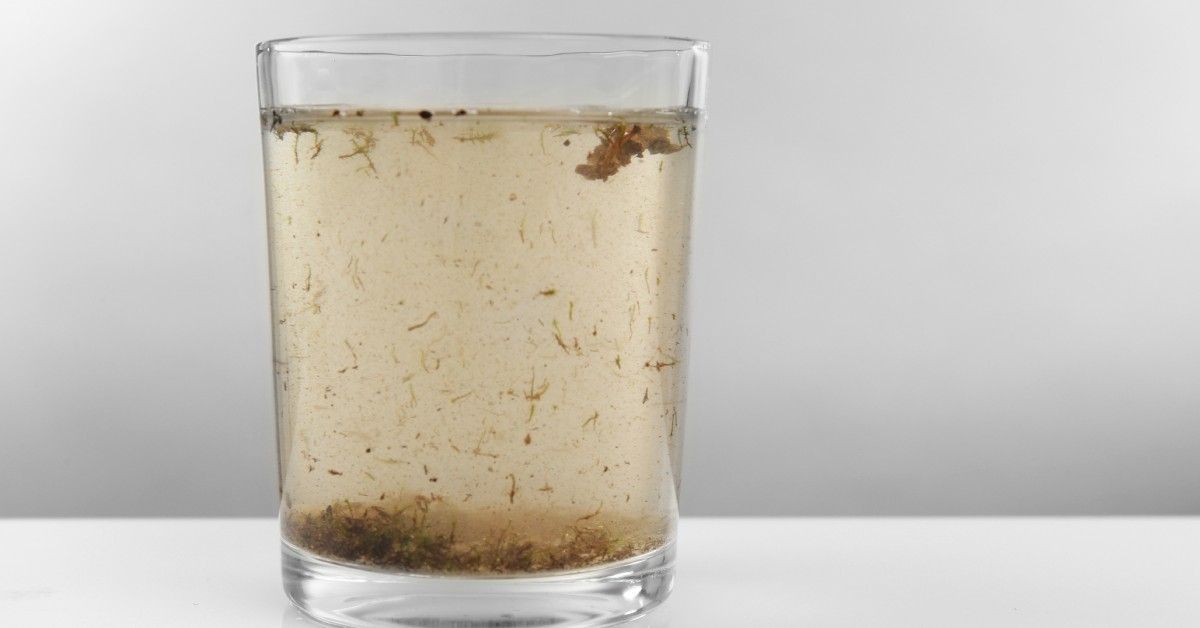
We’ve serviced countless systems across the region, and we see the same issues pop up repeatedly. It isn't just hardness; it’s a cocktail of natural and man-made elements that affect your water quality.
The "Rotten Egg" Smell (Hydrogen Sulfide)
If you turn on your faucet and smell sulfur, you’re dealing with hydrogen sulfide gas. This is naturally occurring in Florida groundwater. It comes from decaying organic matter underground. While it isn't typically harmful to your health in low quantities, it makes drinking your tap water an unbearable experience. It can also tarnish silverware and leave yellow or black stains in your bathroom fixtures.
Chlorine and Chloramines
To combat bacteria in such a warm climate, Florida municipalities use heavy doses of chlorine or chloramines (a mix of chlorine and ammonia) to disinfect the water supply. While this is necessary for sanitation during transport through city pipes, it leaves a strong chemical aftertaste. Many of our clients describe their tap water as tasting like a swimming pool. Furthermore, chloramines are harder to remove than standard chlorine and require specific catalytic carbon filtration methods.
Iron Bacteria
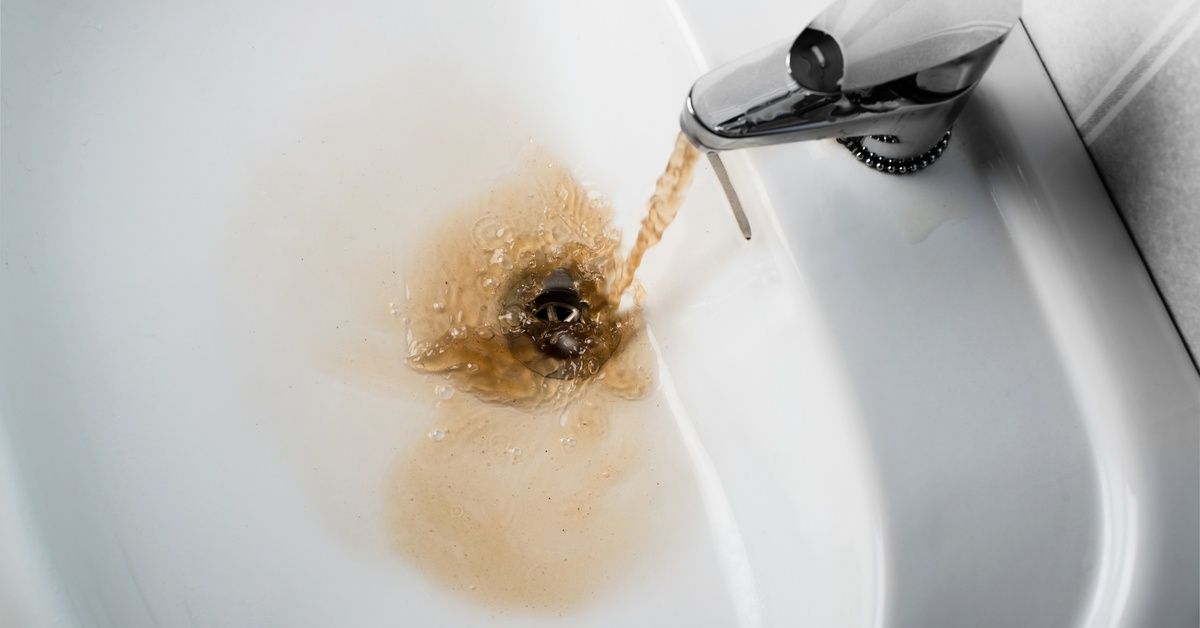
In some areas, particularly if you’re on a private well or near specific geological deposits, iron is a major nuisance. It leaves rusty orange stains on laundry, sinks, and bathtubs. It can also give water a metallic taste that ruins the flavor of coffee, tea, and cooking.
Why a Water Filtration System is Essential

Given these challenges, relying on unfiltered tap water often leads to disappointment. This is why we recommend installing a dedicated drinking water filtration system to filter out contaminants and provide you with clean, safe drinking water. Unlike a whole-home softener, which is designed primarily to protect your pipes and appliances from scale, a drinking water system is precision-engineered to purify the water you consume.
The Role of Reverse Osmosis
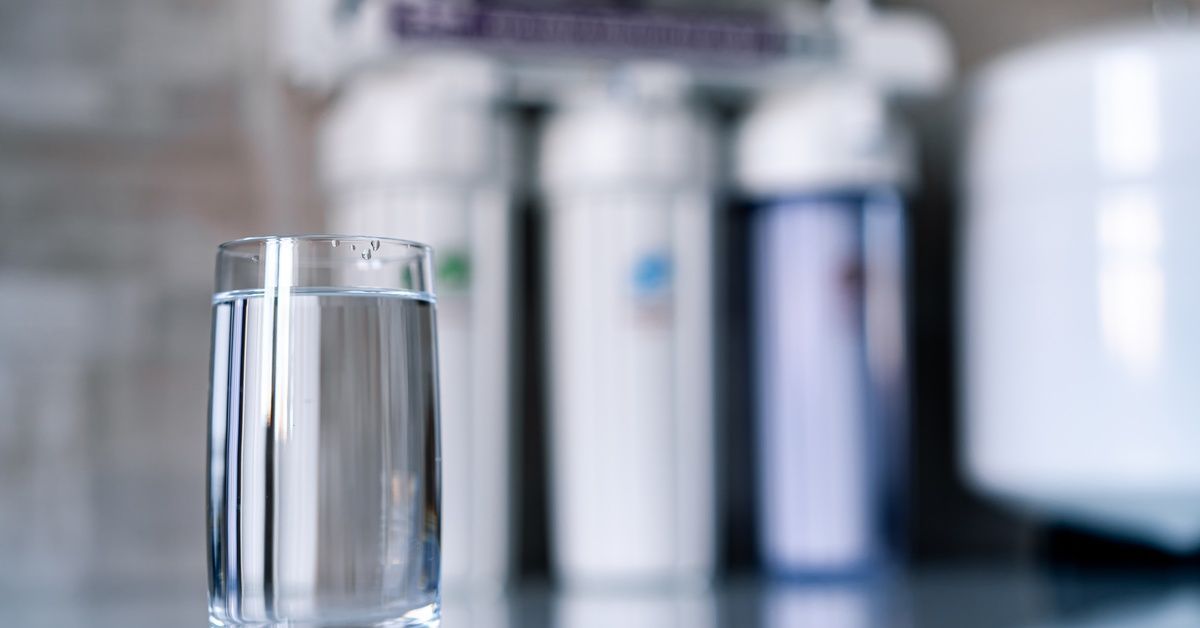
For Florida homes, we frequently recommend Reverse Osmosis (RO) systems. An RO system forces water through a semi-permeable membrane that’s tight enough to reject dissolved solids, minerals, and contaminants that standard filters miss.
Because our water is so high in Total Dissolved Solids (TDS), RO is particularly effective here. It strips away the calcium carbonate that makes water taste chalky, removes the sodium left behind by water softeners, and filters out the microscopic impurities that affect long-term health. The result is "bottle-quality" water right at your kitchen sink, without the plastic waste.
Improving Taste and Odor
Carbon filtration stages within these systems are crucial for Florida residents. They absorb the chlorine and chloramines used by the city. If you’re tired of the swimming pool taste or that lingering sulfur hint, the activated carbon stage neutralizes those odors.
The Hidden Costs of Ignoring Water Quality
Many homeowners hesitate to install a filtration system because they view it as a luxury expense. But when we look at the numbers, ignoring your water quality is often more expensive in the long run.
The Bottled Water Drain
The average Florida family spends hundreds of dollars a year on bottled water. Whether you’re buying cases of plastic bottles or filling 5-gallon jugs at the grocery store, the cost adds up quickly. Beyond the financial impact, the physical effort of lugging heavy water cases into the house is a chore nobody enjoys. A specialized system pays for itself over time by eliminating this line item from your grocery budget.
Protecting Your Health and Appliances
While a drinking water system focuses on what you ingest, it also protects small appliances. Coffee makers, electric kettles, and ice makers are notorious for failing early in Florida due to mineral buildup. By feeding these appliances with purified water, you extend their lifespan.
More importantly, there’s the health aspect. In Florida’s hot, humid climate, you need to stay hydrated. If your tap water tastes bad, you and your family are less likely to drink it. This can lead to dehydration and the symptoms that come along with it, including fatigue, headaches, and dizziness.
Making the Switch
If you’re tired of buying bottled water or holding your nose when you drink from the tap, it is time to investigate a permanent solution. Don't settle for generic advice or one-size-fits-all products that aren't built for our aquifer's heavy mineral load.
Here’s what you should do next:
- Check your current water: Pour a glass of water and let it sit. Does it smell? Is there sediment at the bottom?
- Audit your spending: Look at your grocery receipts from the last month. How much went toward bottled water or pitcher filters?
- Get a professional test: We invite you to reach out to us for a water quality assessment. We can identify exactly what is in your water—whether it’s hardness, chlorine, or iron—and design a system that fits your home and budget.
Clean water isn't just a luxury; it's a fundamental part of a healthy home. Let’s get your water right, once and for all. At Affordable Water, we understand the unique drinking water needs in Florida and how to appropriately address tap water that’s too hard, smelly, or unpleasant to drink. Get in touch with us today to learn more about our advanced water filtration systems. Whether you’re looking for information, an assessment, or a hassle-free installation, we’re here to help every step of the way.




Share On: