

A Closer Look at Common Causes of Rusty Tap Water
Have you ever turned on your faucet expecting clear, clean water, only to see a brownish, reddish, or yellowish stream? It’s not a great way to start your day.
Rusty water doesn't just look unappealing; it can also stain your laundry, your sinks, and your tubs. Plus, it can give your water a weird metallic taste, which is the last thing you want when you're brewing your morning coffee or boiling pasta for dinner.
You’re probably wondering what’s going on and if it’s a big deal. Taking a closer look at common causes of rusty tap water is the first step to figuring out what’s happening with your plumbing and how to fix it. It's usually not a reason to panic, but it's definitely something you'll want to sort out.
Signs You've Got an Iron Problem
Before we get into the causes—how do you know if you have rusty tap water or not? Sometimes the signs are obvious, like brown water pouring from your tap. But other times, the clues are a bit more subtle.
- Red or Brown Stains: You might see reddish-brown rings in your toilet bowl that are tough to scrub away. Your sinks and bathtubs can also get these stubborn stains.
- Stained Laundry: Your light-colored clothes, towels, and sheets might come out of the washing machine with orange or yellow splotches.
- Metallic Taste or Smell: Your drinking water might have a distinct metallic taste, which is a dead giveaway for high iron levels. Sometimes, you can smell it, too.
- Clogged Pipes and Fixtures: Iron sediment can build up over time inside your pipes, showerheads, and faucets. This can lead to low water pressure and frequent clogs.
- Discolored Water: The water might look rusty every time you turn it on, or it could just be discolored first thing in the morning or after you’ve been away for a few days.
If you've noticed any of these things, it’s a good bet that you have too much iron in your water supply, which is resulting in rust. But what could be causing this buildup?
Corroded or Old Galvanized Iron Pipes

One of the most frequent reasons for rusty-looking water is the plumbing inside your own home. This is especially true if you live in an older house, one built before the 1960s. Back then, galvanized iron or steel pipes were the standard for residential plumbing. These pipes are coated with a layer of zinc to protect them from rust and corrosion.
The problem is, that zinc coating doesn't last forever. Over many decades of use, the zinc slowly wears away. Once it's gone, the water comes into direct contact with the iron pipe, and that’s when rust starts to form. This rust can flake off, get carried along with the water flow, and end up in your glass or your washing machine. You might notice the rusty water is worst in the morning because the water has been sitting in the pipes overnight, giving it more time to pick up rust particles.
Rust in Your Water Heater
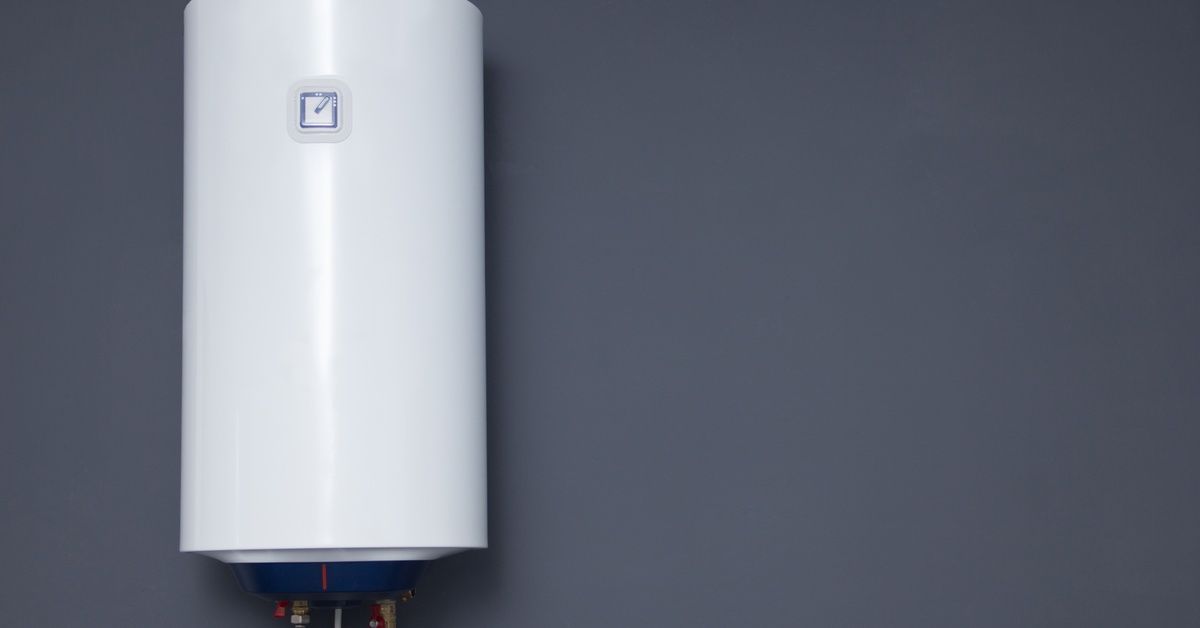
Sometimes, the problem isn't with all your pipes but with a specific appliance: your water heater. Most water heaters have a steel tank, which is susceptible to rust. To fight this, they come equipped with something called an anode rod. This rod, often made of magnesium or aluminum, is designed to corrode instead of the tank itself. It's a "sacrificial" part that protects your water heater.
But just like the zinc coating on galvanized pipes, anode rods don't last forever. They typically need to be replaced every three to five years. If you don't replace it, the rod will eventually corrode completely. Once that happens, the water inside the tank will start to corrode the steel walls. When you turn on a hot water tap, you'll get a blast of rusty water. If you only see discoloration when you're running hot water, your water heater is almost certainly the culprit.
High Iron Content in Your Water Source
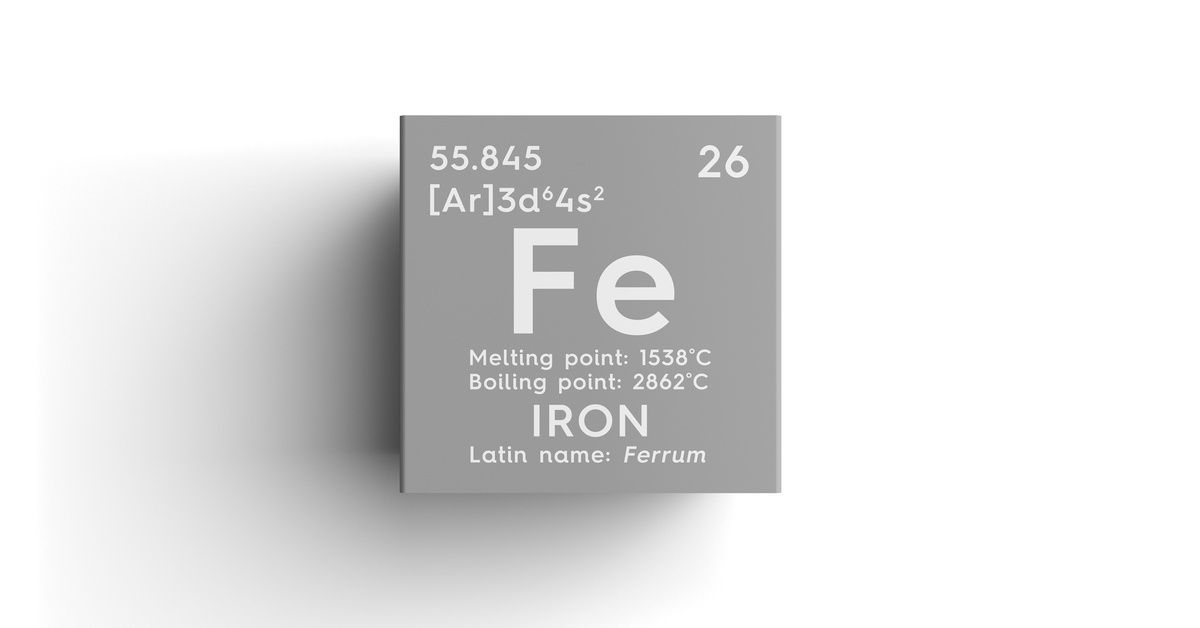
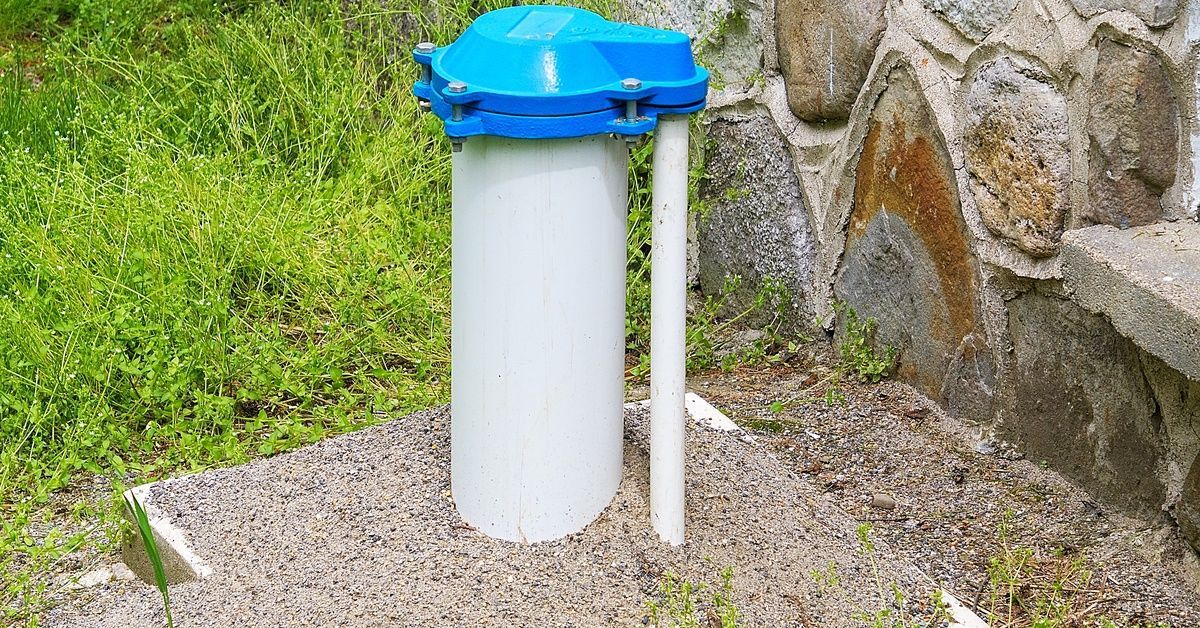
The issue might not be with your plumbing at all. Your water could be arriving at your house with high levels of iron already in it. This is very common for homes that get their water from a private well. Groundwater often seeps through soil and rock formations that are rich in iron. As it travels, it dissolves iron minerals, which then end up in your well water.
Even if you're on a municipal water supply, you can still have this problem. Sometimes, there can be a temporary increase in iron levels from the city's main water lines. This can happen if there's a water main break or if the fire department opens up a hydrant nearby. That sudden, high-pressure flow of water can stir up sediment and rust that’s settled at the bottom of the main pipes, pushing it into your home's supply line. Usually, this is temporary and clears up after you run your water for a bit.
What Can You Do About It?
Finding the source of the problem is the first step, but what you really want is a solution. No one wants to live with discolored water and stained fixtures. Fortunately, there are several things you can do to fix the problem and get back to having clear, clean water.
- Flush Your System: If the rusty water appeared suddenly, it might be due to sediment from the city's water main. Try running your cold water taps for about 20 minutes to see if it clears up. Avoid running hot water, so you don't pull sediment into your water heater.
- Check Your Water Heater: If only the hot water is rusty, your water heater's anode rod probably needs replacing. You can have a plumber inspect it and replace the rod if needed. If the tank is already heavily rusted, you might need a new water heater.
- Replace Old Pipes: If your home has old galvanized pipes, the only permanent solution is to replace them. This is a big job, but it's the best way to solve the problem for good. Plumbers can replace your old plumbing with modern copper or PEX pipes.
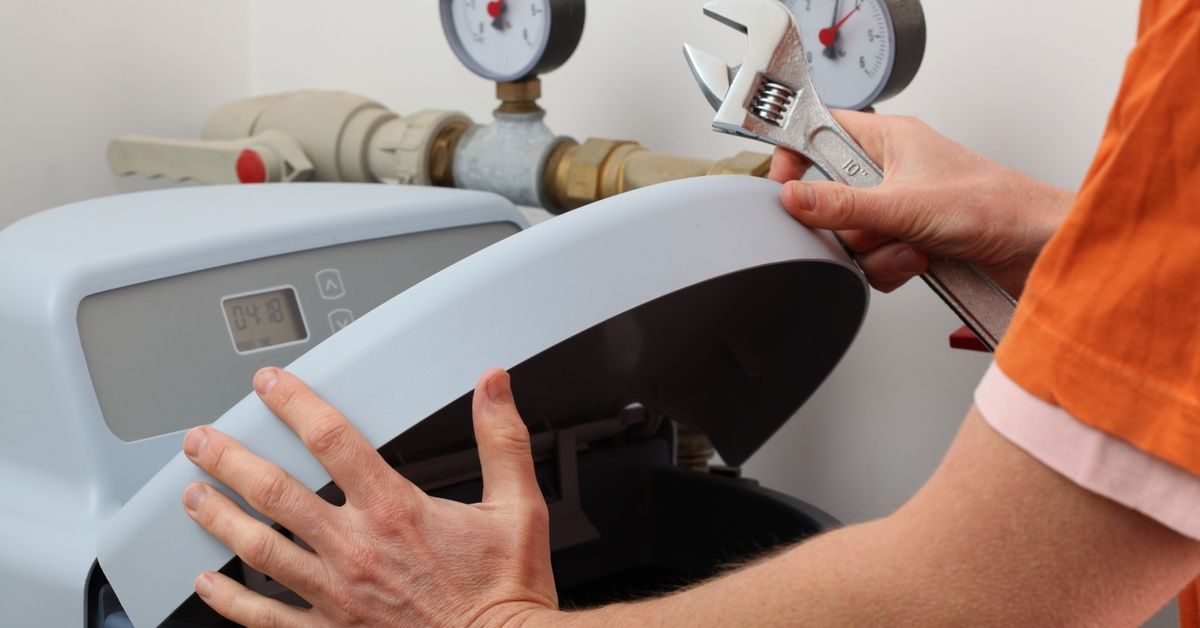
- Install a Water Treatment System: For homes with high iron in the water source, like from a well, consider investing in a whole-house iron filter. It treats all the water entering your home, so every tap delivers clear water.
After taking a closer look at common causes of rusty tap water, you now have a better idea of what might be happening, from old pipes to issues with your water heater. Getting to the root of the problem is the best way to find a permanent solution so you can get back to drinking, cooking, and cleaning with clear water.
When it's time to tackle the iron in your water, Affordable Water is here to help. We know how important clean water is for your family. Our water softener and iron filter system removes iron and other minerals from your water supply before it reaches your faucets. You'll see an immediate improvement in your water's taste, smell, and appearance. Let's find you a solution that fits your home and budget—contact us today.




Share On: